How to get your first 1,000 visitors without paying for ads
The first thousand are the hardest. They're also the most useful, because they tell you what people actually want. A patient, no-budget plan that works.

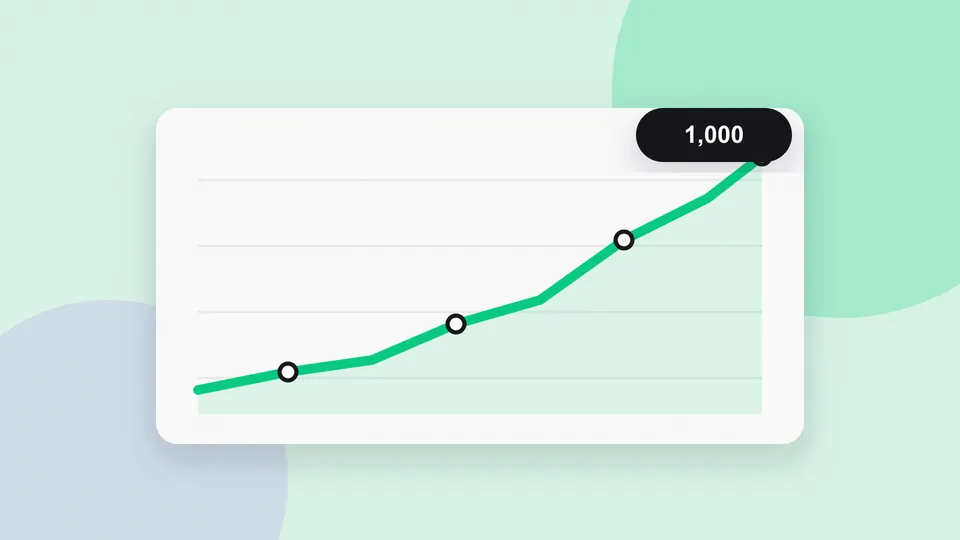
Launch day is quiet. You refresh the analytics. Two visitors, and one of them was you on your phone.
That's normal. Every site starts there. The good news is that the first thousand visitors don't need a budget. They need patience and a little stubbornness, which are free.
Step one: write for questions people already ask
New sites can't compete for big, broad keywords. You won't rank for "WordPress SEO" next month. You might rank for "why does my WordPress sitemap show a 404" next week, because almost nobody has answered it well.
Find these questions where your audience complains. Support tickets, forum threads, the "People also ask" box in Google, the comments under popular videos in your niche.
- Write down twenty real questions your audience asks.
- Pick the five you can answer better than anything currently on page one.
- Answer each one fully, with steps, screenshots or examples.
- Link those posts to each other where it genuinely helps.
Step two: show up where your readers already are
Communities can send your first real traffic, but only if you treat them like a person and not a billboard. Drop a link and leave, and you'll be ignored or banned.
| Works | Gets you removed |
|---|---|
| Answering the question fully in the thread | "Check my blog for the answer" |
| Linking your post as optional extra detail | Posting the same link in ten groups at once |
| Being active before you ever share your own work | Joining today, self-promoting tomorrow |
| Following each community's self-promotion rules | Assuming the rules don't apply to you |
A helpful answer with a link at the end can send visitors for years, especially when the thread itself ranks in Google.
Step three: start an email list on day one
Search traffic arrives and leaves. Social reach goes up and down with every algorithm change. An email list is the one audience you actually own.
You don't need a fancy funnel. A simple form at the end of your best posts is enough. Offer something specific, like a checklist that goes with the article, rather than "subscribe for updates".
A hundred people who asked to hear from you are worth more than ten thousand who scrolled past.
Step four: get a few links the honest way
Links from other sites still help Google trust a new domain. You don't need many, and you definitely don't need to buy them.
- Make one genuinely useful free resource, like a tool, a template or a data roundup.
- Tell the people you mention in a post that you wrote about them.
- Write a guest post for a site your audience reads. We even take pitches ourselves.
- List your project in directories that are relevant, not just any directory that will have you.
Step five: measure the right thing
In the early weeks, total visitors is a vanity number. Look at which posts bring people in, how long they stay, and which ones lead to sign-ups or replies. Then write more like those.
It varies a lot by niche and effort. For a new site publishing a few solid posts a month, a few months is common. Consistency matters more than any single post.
No. Two excellent posts a month beat thirty thin ones. Thin content can hold the whole site back.
Pick one platform where your audience actually spends time and do it properly. Trying to be everywhere usually means being nowhere.
Written by
Founder, Modulus Tools
Usama builds easy to use AI tools, Chrome extensions and WordPress plugins at Modulus Tools, and writes about what he learns shipping them: browser privacy, WordPress SEO and the small habits that make work easier.